SJC MUN 1.0: Where Young Minds Shaped Global Solutions
St. Joseph’s Convent H.S. School, Khandwa, hosted its much-awaited SJC MUN 1.0 on 20 and 21 August 2026, bringing together enthusiastic young delegates from participating schools for two enriching days of diplomacy, deliberation, research, leadership and intellectual exchange.
With the spirit of “Dialogue Beyond Borders,” the conference provided students with a dynamic platform to step into the roles of diplomats, parliamentarians and decision-makers, encouraging them to look at complex issues from diverse perspectives and find meaningful solutions through dialogue.
Day One: The Beginning of a Diplomatic Journey
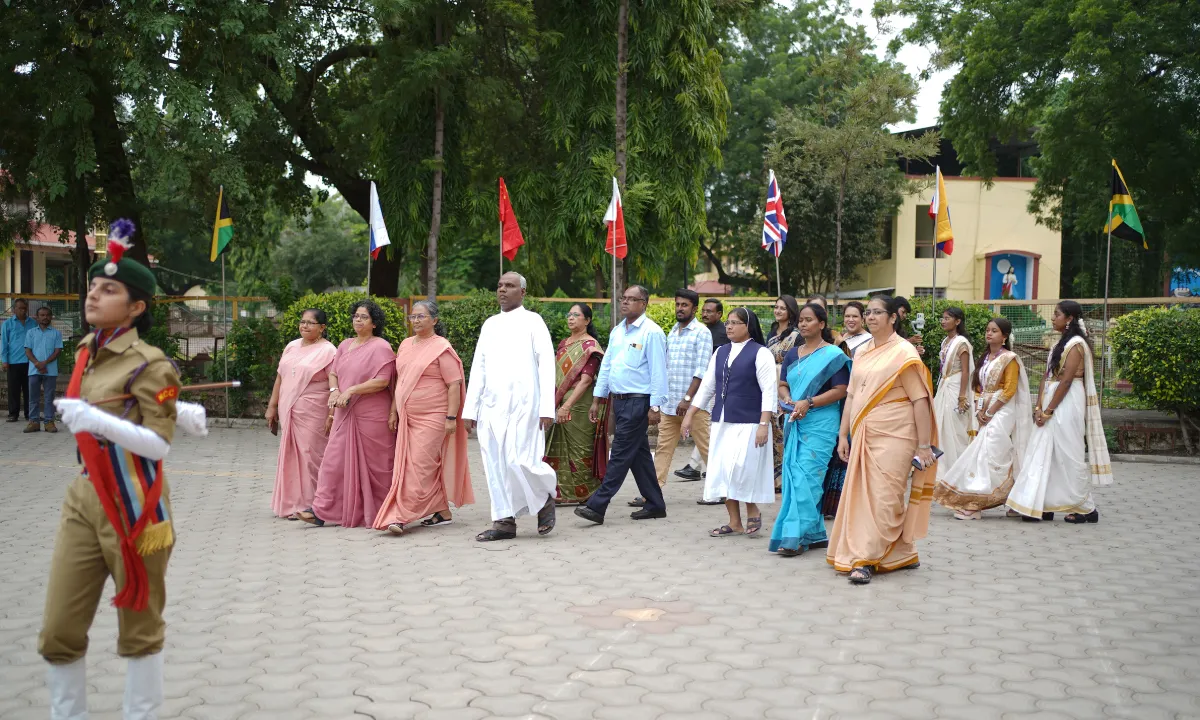
The first day commenced with a warm welcome to the delegates, Executive Board members, teachers and participants. The inaugural ceremony began with a prayer, followed by the ceremonial lighting of the lamp, symbolising knowledge, wisdom and the spirit of learning.
The dignitaries addressed the gathering and encouraged delegates to express themselves with confidence, participate respectfully and understand that effective diplomacy is built not merely on argument, but also on empathy, cooperation and mutual understanding.
Debate, Diplomacy and Deliberation
Following the inauguration, delegates moved into their respective committees and took on their allotted countries and portfolios.
The conference featured a diverse range of committees, including:
- United Nations General Assembly (UNGA)
- United Nations Security Council (UNSC)
- United Nations Human Rights Council (UNHRC)
- Lok Sabha
- All India Political Parties Meet (AIPPM)
- Fictional Crisis Committees (FCC 1 & FCC 2)
The committee rooms soon came alive with thought-provoking debates, moderated caucuses, negotiations and dynamic exchanges of ideas. Delegates demonstrated extensive preparation as they researched their agendas, defended positions and worked towards possible solutions.
The Fictional Crisis Committees brought an additional element of spontaneity to the conference. Delegates were challenged to think on their feet, respond strategically to rapidly developing situations and demonstrate creativity under pressure.
Beyond formal committee proceedings, the campus echoed with music, interaction and camaraderie, creating a vibrant atmosphere that blended diplomacy, healthy competition, creativity and fellowship.
The first day concluded with delegates reflecting on their experiences and preparing themselves for the challenges and opportunities awaiting them on Day Two.
Day Two: Diplomacy in Action
The second day began with renewed enthusiasm as delegates returned to their committees, ready to build upon the discussions and developments of the previous day.
The sessions witnessed an impressive display of confidence, research, diplomacy, leadership and quick thinking. Delegates continued engaging deeply with their respective agendas through intense debates, negotiations, moderated and unmoderated caucuses and evolving crisis situations.
Across UNGA, UNSC, UNHRC, Lok Sabha, AIPPM, FCC 1 and FCC 2, participants demonstrated their ability to analyse complex situations, articulate well-researched perspectives and negotiate with fellow delegates.
The crisis committees once again brought unpredictability and excitement to the proceedings, encouraging participants to move beyond conventional approaches and respond creatively to rapidly changing circumstances.
Beyond the Committee Rooms
SJC MUN 1.0 was not limited to formal debate. The conference also provided opportunities for participants to interact, relax and celebrate their shared experience.
The campus came alive with a vibrant range of activities, including:
🎸 Live Band
🎤 Singing Performances
🎸 Guitar Performances
🎙️ Beatboxing
👏 Clap Box
💃 DJ Dance
🎨 Draw Your Face Activity
These activities created an atmosphere of friendship and fellowship, allowing delegates to connect beyond their committee roles.
One of the highlights of the conference was the IP Raid, which added an exciting dimension to the event and successfully engaged delegates beyond the traditional committee setting.
Celebrating Achievement and Teamwork
The conference concluded with a memorable Closing Ceremony, graced by the esteemed presence of Sister Philo, Donna Ma'am, other Sisters and observer teachers from participating schools.
The ceremony celebrated the dedication, enthusiasm and achievements of the delegates as well as the efforts of the organising team.
Special appreciation was extended to the Khargone team for their remarkable participation and for joining the conference from outside the school.
The three organisers—Ms. Prabjot, Ms. Aastha and Ms. Sneha—were also felicitated by Sr. Neha in recognition of their remarkable contribution, commitment and dedicated efforts towards the successful organisation of SJC MUN 1.0.
A Beginning of Something Bigger
A heartfelt Vote of Thanks acknowledged everyone who contributed to making SJC MUN 1.0 a memorable and successful conference.
The announcement of SJC MUN 2.0 added an exciting conclusion to the event, promising another chapter in the school's journey of diplomacy, leadership, intellectual growth and excellence.
SJC MUN 1.0 was ultimately more than a Model United Nations conference. It was a learning experience that encouraged young minds to question, research, negotiate, collaborate and lead.
Over two days, the delegates discovered that diplomacy is not simply about speaking—it is about listening, understanding, negotiating and finding common ground.
With its first edition successfully concluded, SJC MUN 1.0 truly lived up to its spirit: “Dialogue Beyond Borders.”